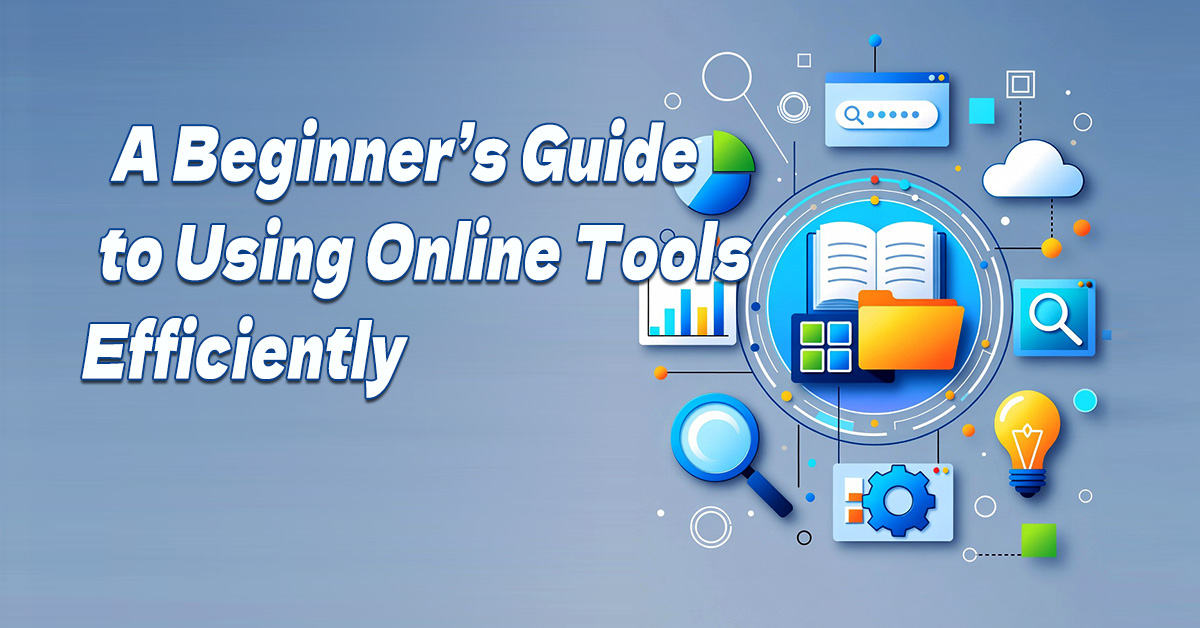
A Beginner’s Guide to Using Online Tools Efficiently
What Online Tools Are
Online tools are web-based services designed to perform specific tasks such as communication, design, data management, or website creation. They have become essential in modern digital environments.
Common Use Cases
People use online tools for productivity, collaboration, marketing, and automation. Understanding your primary use case helps narrow down suitable options.
How to Choose the Right Tool
The right tool should align with your goals and skill level. Beginners benefit most from tools that offer simplicity, documentation, and flexibility.
Best Practices for Daily Use
Using fewer tools more effectively often yields better results. Regularly reviewing your workflow ensures tools continue to serve your needs.
Mistakes to Avoid
Relying on too many tools or ignoring learning resources can reduce efficiency. It is better to master a small set of tools than constantly switch platforms.
Summary
Efficient tool usage is about clarity and consistency. With the right approach, online tools can significantly improve productivity.
Editor’s Note
Beginners often assume that learning more tools automatically leads to higher efficiency. In practice, the opposite is frequently true.
Using too many tools without understanding their purpose can create confusion instead of productivity.
This article was written to encourage readers to focus on clarity first—understanding what a tool is designed to do, and whether it is actually needed for their situation.
Efficiency is usually the result of informed choices, not the number of tools being used.